Passing coding tasks is not the same as safely shipping changes. A practical look at what agent benchmarks reveal, what they leave out, and how to test a coding agent yourself.
A clear engineering guide to retrieval-augmented generation and long context windows, with a decision framework based on freshness, corpus size, citations, and failure cost.
Measure AI project cost in retries, review, latency, maintenance and errors. A practical worksheet to decide whether a feature is earning its complexity.
How to read AI benchmarks without being fooled by a leaderboard. Learn to inspect task design, scoring, baselines, contamination, variance, and the gap between a score and your job.
A practical AI learning path from Python and machine learning basics to language models, evaluation and a first useful project, with a weekly study loop.
A practical first step for starting a startup: speak to potential users, test whether the problem happens often, measure current workarounds and avoid mistaking compliments for demand.
Decide whether to automate a repeated task using frequency, stability, error cost and human judgement. Includes a practical automation scorecard and safe rollout approach.
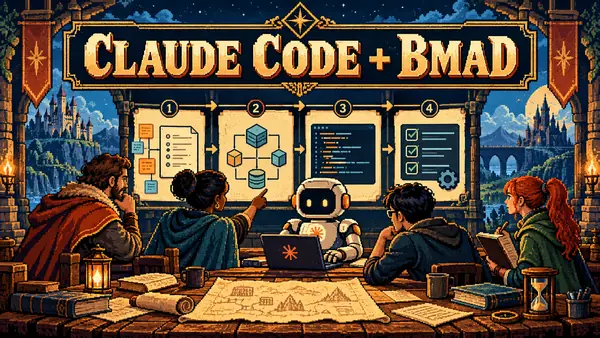
A practical setup for using Claude Code with the current BMAD-METHOD: install versioned workflows, give the agent a clear project brief, and keep agile planning proportional.
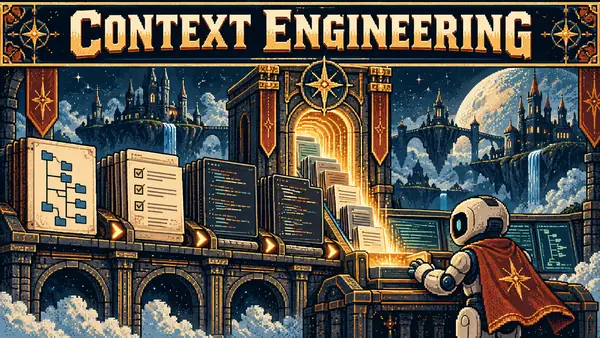
A practical guide to repository instructions, task context, source-of-truth documents, code discovery and verification for coding agents like Claude Code.
Create a trustworthy first evaluation set for an AI project: collect representative examples, write success criteria before comparing models, score failures and retain regression tests.
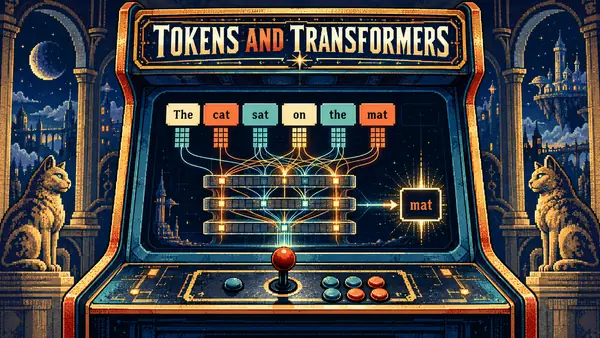
A beginner-friendly explanation of tokens, context windows, transformer attention and next-token prediction, with examples that help debug real language-model applications.
A structured reading workflow for AI research papers: identify the research question, inspect methods and baselines, read result tables carefully and find limitations before trusting the headline.
A launch checklist for a small AI feature covering user confirmation, output validation, data handling, monitoring, fallback behaviour and regression tests.
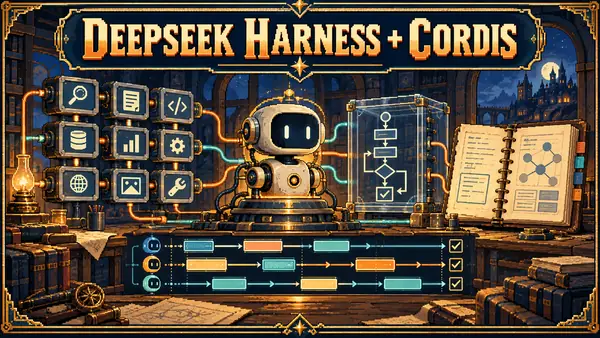
A technical look at DeepSeek Harness, Cordis, its plugin architecture, traceable sessions and runtime modes, plus what builders should examine before calling it the future of agents.
Google reports strong Gemini 4 Argon results, but what do the benchmark suites measure, which gains transfer to real work, and what does a different model cost?
A close look at Phonon-2's compact weights, reported word error rate, Apple Neural Engine speed, licensing and the real evaluation questions for local transcription.
How to assess OpenAI's October 2026 mathematics results: what the Lean formalizations establish, what the human-written manuscripts still need, and why discovery is not the same as verification.
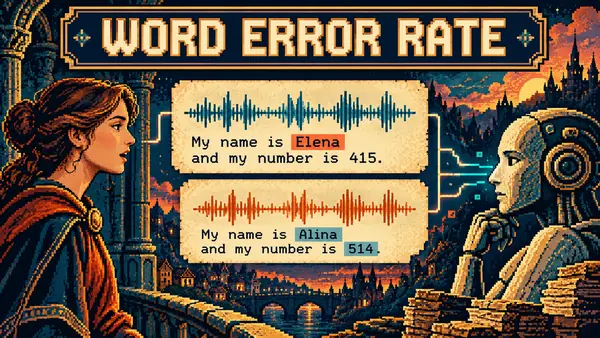
Understand how WER works, which transcript errors matter in practice, and how to build a speech recognition evaluation using your actual microphones, accents and vocabulary.
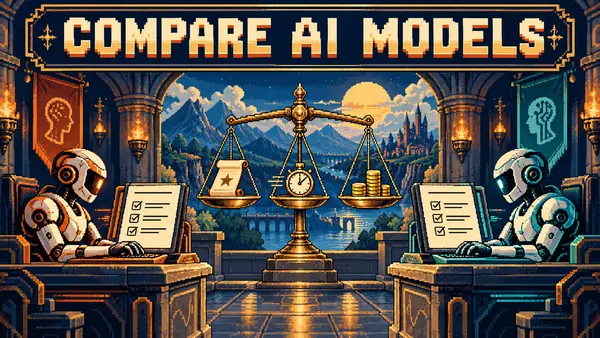
A repeatable method for comparing AI models on your own tasks, controlling prompts and tools while tracking success, retries, latency and total operating cost.